Perimenopause is the phase before menopause when a woman’s hormones start to change. It usually begins in the 40s and can bring symptoms like weight gain, mood swings, low energy, and irregular periods. Following the best diet for perimenopause can help manage these symptoms naturally.
Why Diet Matters During Perimenopause
Hormonal changes can affect your metabolism, mood, and overall health. You may feel more tired, experience cravings, or notice changes in your weight. Eating the right foods helps support hormone balance, maintain a healthy weight, and improve energy levels. A simple and balanced diet can make a big difference in how you feel.
Key Elements of the Best Diet for Perimenopause
- Eat More Protein: Protein helps maintain muscle mass and keeps you full for longer. This can prevent overeating and support weight management.
- Add Healthy Fats: Healthy fats are important for hormone balance and brain health. They may also help reduce mood swings.
- Focus on Fiber-Rich Foods: Fiber helps with digestion and keeps your blood sugar levels stable. This reduces cravings and keeps your energy steady.
- Support Bone Health: During perimenopause, bone health becomes very important. Calcium and vitamin D help keep bones strong.
- Include Phytoestrogen Foods: Phytoestrogens are plant compounds that act like estrogen in the body. They may help reduce symptoms like hot flashes.
Stay Hydrated
Drinking enough water is very important. It helps with digestion, skin health, and energy levels. Try to drink at least 7–8 glasses of water daily.
Managing Common Perimenopause Symptoms
Simple changes in your diet can help you manage everyday symptoms more effectively:
- For Weight Management: Focus on volume-eating with low-calorie, high-nutrient vegetables to stay full while managing your caloric intake.
- For Bone Health: Increasing calcium and Vitamin D intake is non-negotiable as the risk of osteoporosis rises during this stage.
- For Sleep & Mood: Reducing caffeine and alcohol can significantly improve sleep quality and reduce anxiety.
How Spark Nutrition & Health Can Help
Navigating these changes alone can be overwhelming. At Spark Nutrition & Health, our Registered Dietitians specialize in midlife women’s health. We don’t just give you a meal plan; we provide a personalized roadmap.
Our perimenopause nutrition services include:
- Metabolic Support: Strategies to manage weight changes without restrictive dieting.
- Digestive Wellness: Tools to beat the “menopause bloat” and improve gut health.
- Hormone Balancing: Practical meal ideas designed to stabilize energy and mood.
The Best Diet for Perimenopause is the one that makes you feel energized, confident, and in control of your body again.
Final Thoughts
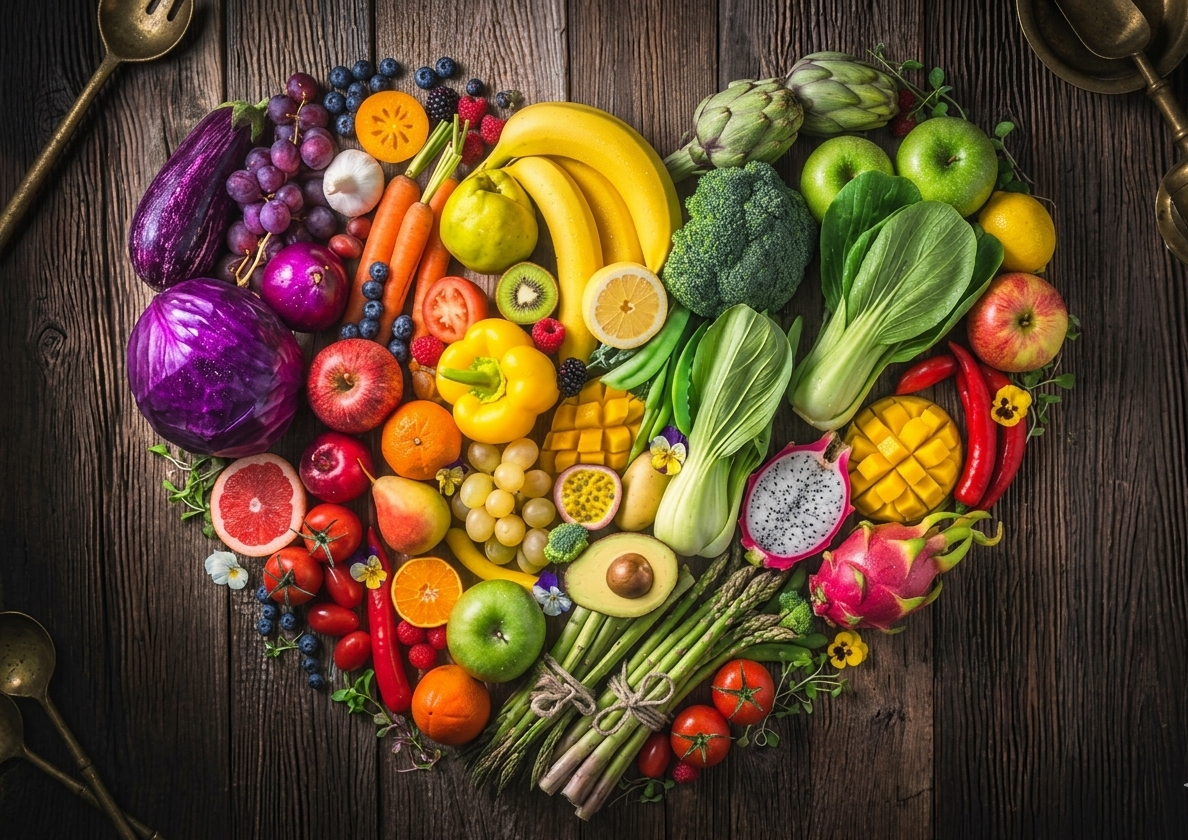
The best diet for perimenopause is simple, balanced, and full of natural foods. You don’t need a strict diet—just focus on eating healthy.
At Spark Nutrition & Health, we encourage women to take small, sustainable steps toward better health. With the right food choices, you can manage perimenopause symptoms and feel your best every day.
FAQs
What is the best diet for perimenopause?
A balanced diet with protein, healthy fats, and fiber supports hormone balance and overall health.
Can diet help reduce perimenopause symptoms?
Yes, healthy eating can help manage fatigue, mood swings, and weight changes.
Why is protein important during perimenopause?
Protein supports muscle, metabolism, and helps you stay full for longer.
How much water should I drink daily?
Around 7–8 glasses of water daily help support energy, digestion, and overall health.
Do I need a strict diet during perimenopause?
No, simple and consistent healthy eating habits work better than strict diets.