Perimenopause is a natural transition that can bring a variety of changes to a woman’s body. Fluctuating hormone levels may affect energy, sleep, mood, digestion, and weight management. Finding the best diet for perimenopause can help support your overall health, improve daily well-being, and make it easier to manage these changes.
While the transition can feel overwhelming, the right nutrition strategy can provide valuable support. At Spark Nutrition & Health, we believe that a personalized, sustainable approach to eating is one of the most effective ways to navigate perimenopause with confidence.
What Is the Best Diet for Perimenopause?
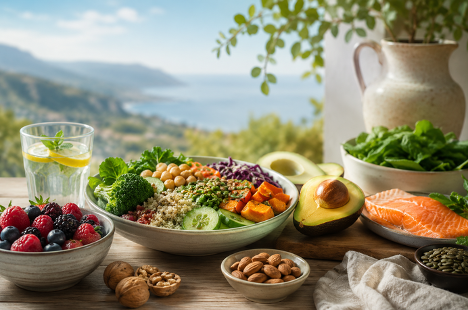
There is no one-size-fits-all diet for perimenopause. The best diet focuses on nutrient-dense foods that support energy, muscle health, digestion, and long-term wellness. Rather than following restrictive diets, women benefit most from balanced eating habits that can be maintained for years. Working with a Registered Dietitian and making personalized nutrition changes can help women better understand their body’s needs during perimenopause and develop sustainable habits that support overall health.
A well-balanced perimenopause diet should include:
- Lean protein sources
- High-fiber foods
- Healthy fats
- Calcium-rich foods
- Fruits and vegetables
- Whole grains
- Plenty of water
These foods provide essential nutrients that help support the body’s changing needs during midlife.
Prioritize Protein at Every Meal
During perimenopause, women naturally begin to lose muscle mass, which can affect metabolism and strength. Including protein with every meal can help support muscle maintenance and keep you feeling satisfied throughout the day.
Good protein choices include:
- Fish and seafood
- Eggs
- Greek yogurt
- Tofu and soy products
- Beans
Protein-rich meals can also help support stable energy levels and reduce cravings between meals.
Focus on Fiber for Digestive and Heart Health
Fiber becomes increasingly important during perimenopause. It also helps digestion, helps manage cholesterol levels, promotes a feeling of satisfaction and might help with blood sugar management.
Excellent sources of fiber include:
- Vegetables
- Fruits
- Whole grains
- Legumes
- Nuts and seeds
Adding more fiber-rich foods to your daily routine can help support digestive and cardiovascular health during midlife.
Include Healthy Fats
Healthy fats are essential for overall wellness. Omega 3 fatty acids may help with heart health, brain function and inflammation.
Healthy fat sources include:
- Fatty fish such as salmon
- Flaxseeds
- Chia seeds
- Walnuts
- Avocados
- Olive oil
Eating these foods on a regular basis can help create a balanced and nutritious eating pattern.
Support Bone Health through Nutrition
Bone health becomes a greater priority during perimenopause as changes in hormone levels can affect bone density. Calcium, vitamin D, protein, and other nutrients help support strong bones throughout midlife and beyond.
Foods that support bone health include:
- Dairy products
- Fortified plant-based beverages
- Leafy green vegetables
- Yogurt
- Fish with edible bones
A Registered Dietitian can help ensure you are meeting your nutrient needs and identify whether additional support may be beneficial.
Work With a Registered Dietitian for Personalized Guidance
The best diet for perimenopause is one that fits your unique health needs, lifestyle, and goals. At Spark Nutrition & Health, our Registered Dietitians provide evidence-based nutrition counseling designed specifically for women navigating perimenopause. We help create realistic nutrition strategies that support energy, digestion, healthy weight management, and long-term wellness.
If you’re looking for personalized support during perimenopause, Spark Nutrition & Health can help you build sustainable habits that work for your body and lifestyle. Book a consultation today and take the next step toward feeling your best through every stage of midlife.
FAQs
Can nutrition help manage perimenopause symptoms?
Yes. A balanced diet can help support energy levels, digestion, healthy weight management, and overall well-being during perimenopause.
What foods should I eat to support energy during perimenopause?
Focus on lean proteins, whole grains, fruits, vegetables, and healthy fats to provide steady energy throughout the day.
Can a dietitian help with perimenopause weight management?
Yes. A Registered Dietitian can create a personalized nutrition plan that supports healthy and sustainable weight management.
How can Spark Nutrition & Health help during perimenopause?
Spark Nutrition & Health provides personalized nutrition counseling, practical meal guidance, and ongoing support tailored to your unique needs during perimenopause.