
How to Lose Weight in Menopause

How to Lose Weight in Menopause: Practical Strategies for Lasting Success

Many women notice changes in their weight during menopause, even when their eating habits and activity levels have remained relatively consistent. Factors such as shifts in metabolism, changes in body composition, sleep disturbances, and lifestyle habits can make weight management more challenging during this stage of life. Fortunately, understanding how to lose weight in menopause starts with recognizing these changes and adopting realistic, sustainable strategies that support overall health rather than relying on extreme diets or restrictive eating plans.

At Spark Nutrition & Health, our Registered Dietitians provide personalized nutrition guidance to help women manage weight, improve energy levels, and build sustainable habits that support long-term wellness.

Focus on Balanced, Nourishing Meals

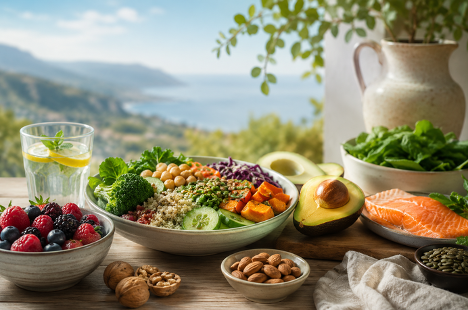
One of the most effective strategies for menopause weight management is building balanced meals that provide lasting satisfaction and support overall health. Rather than eliminating entire food groups, focus on including a variety of nutrient-rich foods throughout the day.

A balanced eating pattern should include lean proteins, fibre-rich carbohydrates, healthy fats, fruits, and vegetables. These foods help provide essential nutrients while supporting fullness and steady energy levels throughout the day. Planning meals in advance and choosing nutrient-dense snacks can also help reduce reliance on highly processed foods and support healthy eating habits.

Protein and fibre can be particularly helpful because they support fullness and may help reduce unnecessary snacking between meals.

Prioritize Consistent Lifestyle Habits

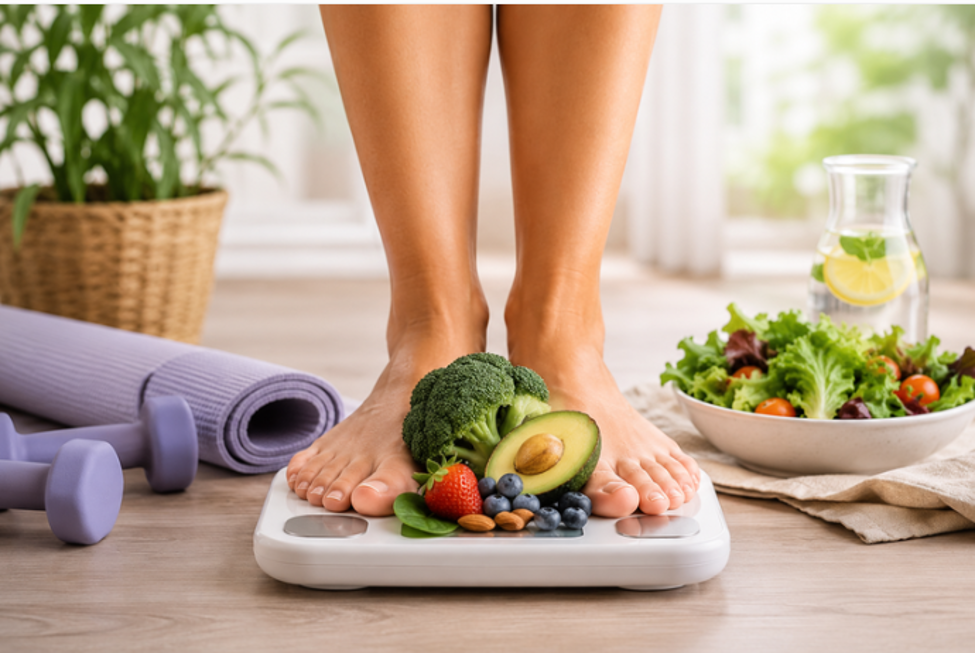
When considering how to lose weight in menopause, nutrition is only one piece of the puzzle. Daily habits can have a significant impact on long-term success.

Regular physical activity, adequate sleep, and stress management all play important roles in supporting a healthy lifestyle. Small, consistent changes often produce better results than drastic measures that are difficult to maintain over time.

Building and maintaining muscle mass becomes increasingly important during menopause because muscle helps support metabolism and overall physical function. Strength training can be a valuable component of a healthy weight-management plan.

Avoid Restrictive Diets

Many women turn to fad diets or quick-fix solutions when trying to lose weight. Unfortunately, restrictive approaches are often difficult to maintain and may lead to frustration or repeated cycles of weight loss and regain.

We focus on realistic nutrition strategies that fit your lifestyle and preferences. Personalized nutrition counselling helps create sustainable habits that support both weight management and overall well-being without relying on extreme restrictions.

The Value of Professional Nutrition Support

Every woman experiences menopause differently, which is why individualized guidance can be so beneficial. Working with a Registered Dietitian allows you to receive recommendations based on your health history, current eating habits, lifestyle, and personal goals.

Our menopause and weight-loss nutrition services include personalized nutrition plans, practical lifestyle recommendations, and ongoing support to help women navigate this stage with confidence. Virtual consultations make it easy to access expert guidance from the comfort of home.

Achieve Your Weight-Loss Goals with Confidence

Understanding how to lose weight in menopause starts with recognizing that lasting results come from sustainable changes, not quick fixes. By focusing on balanced nutrition, consistent habits, physical activity, and personalized support, women can successfully manage their weight while supporting their overall health.

Spark Nutrition & Health is committed to helping women create practical, realistic nutrition plans that fit their lives and support long-term success during menopause and beyond.

FAQs

Why is it harder to lose weight during menopause?
Changes in metabolism, body composition, sleep patterns, and lifestyle factors can make weight management more challenging during menopause.

What foods support menopause weight loss?
Protein-rich foods, vegetables, fruits, whole grains, and healthy fats can help support satiety and overall health.

Can a Registered Dietitian help with menopause weight loss?
Yes. A Registered Dietitian can create a personalized nutrition plan based on your unique needs and goals.

Is exercise important for menopause weight management?
Yes. Regular physical activity, including strength training, can support muscle mass and overall health.

Are restrictive diets recommended during menopause?
Most restrictive diets are difficult to maintain long term. Sustainable eating habits are generally more effective for lasting results.

Can virtual nutrition counselling help with menopause weight loss?
Yes. Virtual consultations provide personalized nutrition guidance and ongoing support from the comfort of your home.

Nutrition Counselling Services

Nutrition Counselling Services: Personalized Support for Better Health and Well-Being

Good nutrition plays an important role in supporting overall health, energy levels, and long-term wellness. However, with so much conflicting information available online, it can be difficult to know which nutrition advice is right for your unique needs. This is where professional Nutrition Counselling Services can make a meaningful difference.

At Spark Nutrition & Health, nutrition counselling is designed to provide personalized guidance that helps individuals build sustainable eating habits and make informed food choices. Rather than focusing on restrictive diets, nutrition counselling emphasizes practical strategies that fit your lifestyle, preferences, and health goals.

What are Nutrition Counselling Services?

Nutrition Counselling Services involve working one-on-one with a registered dietitian to assess your current eating habits, identify nutrition challenges, and create a personalized plan that supports your overall well-being. Every person has different nutritional needs, which is why individualized guidance can be more effective than generic diet recommendations.

During nutrition counselling sessions, clients receive evidence-based recommendations tailored to their health concerns, daily routines, and personal goals. This collaborative approach helps create realistic and achievable changes that can be maintained over time.

Benefits of Nutrition Counselling Services

Working with a registered dietitian offers several benefits, including:

  • Personalized nutrition recommendations
  • Support for healthy weight management
  • Improved energy levels and daily wellness
  • Guidance for digestive health concerns
  • Strategies for healthy aging and midlife nutrition
  • Practical meal planning and balanced eating habits
  • Ongoing accountability and professional support

Nutrition counselling focuses on helping clients develop a positive relationship with food while making choices that support their health and lifestyle.

A Personalized Approach to Nutrition

No two individuals have the same health history, preferences, or nutritional requirements. At Spark Nutrition & Health, nutrition counselling begins with a comprehensive assessment to better understand your needs and goals.

Whether you are looking to improve your eating habits, manage nutrition-related concerns, or support your health during different life stages, a personalized plan can provide the structure and guidance needed for lasting success.

Follow-up appointments allow clients to track progress, address challenges, and make adjustments as needed. This ongoing support helps ensure that nutrition strategies remain practical and sustainable.

Virtual Nutrition Counselling for Convenience

Virtual Nutrition Counselling Services make professional nutrition support more accessible than ever. Online appointments allow clients to connect with a registered dietitian from the comfort of their home.

This flexible approach makes it easier to prioritize nutrition and wellness, even with a busy schedule.

Choose Spark Nutrition & Health for Personalized Nutrition Guidance

Spark Nutrition & Health is committed to providing compassionate, evidence-based nutrition support tailored to each client’s unique needs. The goal is to help individuals build confidence in their food choices and create sustainable habits that support long-term health.

With personalized nutrition counselling, clients receive the support they need to make meaningful progress toward their wellness goals.

Start Your Nutrition Journey Today

Improving your nutrition can be a great step toward better health and well-being. With Nutrition Counselling Services, you can get personalized support and practical advice that fits your lifestyle and goals.

At Spark Nutrition & Health, we help you build healthy eating habits that are realistic, sustainable, and easy to maintain. Contact us today to learn how personalized nutrition counselling can support your health journey.

Faqs

Who can benefit from nutrition counselling?
Anyone looking to improve their nutrition, manage weight concerns, support digestive health, increase energy levels, or develop healthier eating habits can benefit from nutrition counselling.

Are nutrition counselling sessions personalized?
Yes. Each session is tailored to the individual’s health history, lifestyle, dietary preferences, and wellness goals.

Does Spark Nutrition & Health offer virtual nutrition counselling?
Yes. Virtual appointments allow clients to receive professional nutrition support from the comfort of their home.

How many nutrition counselling sessions will I need?
The number of sessions varies depending on your goals and needs. Many clients benefit from ongoing follow-up appointments for continued guidance and support.

Why should I work with a registered dietitian?
A registered dietitian provides evidence-based nutrition advice tailored to your unique needs, helping you create realistic and sustainable habits.

Can nutrition counselling help me develop healthier eating habits?
Yes. Nutrition counselling focuses on practical strategies that make it easier to build and maintain healthy eating habits over time.

Perimenopause Dietitian

How a Perimenopause Dietitian Can Support Women through Midlife Changes

Perimenopause is a natural stage of life that can bring many physical and emotional changes. During this transition, women may notice shifts in energy levels, sleep patterns, weight, mood, and overall well-being. While these changes are common, they can often feel frustrating and difficult to manage alone. This is where a Perimenopause Dietitian can provide valuable guidance and support.

At Spark Nutrition & Health, personalized nutrition counseling helps women navigate perimenopause with practical strategies tailored to their unique needs and goals. Rather than relying on restrictive diets or conflicting information found online, working with a qualified dietitian can help you develop sustainable habits that support long-term health.

Understanding Perimenopause

Perimenopause is the transition period before menopause when hormone levels begin to fluctuate. This stage can last several years and may affect women differently. Some women experience only mild changes, while others may face symptoms that significantly impact daily life.

Common concerns during perimenopause include:

  • Weight gain or changes in body composition
  • Reduced energy levels
  • Sleep disturbances
  • Increased cravings
  • Mood fluctuations
  • Changes in digestion
  • Difficulty maintaining healthy routines

Although these experiences are common, nutrition and lifestyle choices can play an important role in helping women feel their best throughout this transition.

How a Perimenopause Dietitian Can Help

A Perimenopause Dietitian specializes in understanding the nutritional challenges women often face during midlife. Instead of offering a one-size-fits-all plan, a dietitian provides individualized recommendations based on your health history, lifestyle, symptoms, and personal goals.

At Spark Nutrition & Health, nutrition counseling focuses on practical solutions that fit into real life. A dietitian can help you:

Support Healthy Weight Management

Many women notice changes in weight during perimenopause. A dietitian can help identify eating patterns, nutrition gaps, and lifestyle habits that may be affecting weight management while creating realistic strategies that support overall health.

Improve Energy Levels

Feeling tired more often can make daily responsibilities more challenging. A personalized nutrition plan can help ensure you are getting the nutrients needed to support consistent energy throughout the day.

Build Sustainable Eating Habits

Quick fixes and restrictive diets rarely provide lasting results. A perimenopause dietitian helps create balanced eating habits that are realistic, enjoyable, and maintainable for the long term.

Support Bone and Heart Health

Midlife is an important time to focus on long-term wellness. Proper nutrition can help support bone strength, cardiovascular health, and overall well-being as women age.

Why Personalized Nutrition Matters

Every woman experiences perimenopause differently. What works for one person may not work for another. Personalized nutrition counseling takes into account your unique symptoms, preferences, schedule, and health goals.

By working with a perimenopause dietitian, you receive guidance designed specifically for you rather than following generic advice that may not address your individual needs.

Start Your Perimenopause Wellness Journey

At Spark Nutrition & Health, women receive compassionate, evidence-based nutrition support designed for the realities of midlife. Through virtual nutrition counseling, personalized recommendations, and ongoing guidance, clients gain the tools needed to feel confident in their nutrition choices and support their overall health.

If you are experiencing changes related to perimenopause and want professional nutrition guidance, working with a Perimenopause Dietitian can help you develop practical strategies that fit your lifestyle and support your long-term wellness goals.

FAQs

What does a Perimenopause Dietitian do?
A Perimenopause Dietitian provides personalized nutrition guidance to help women manage common changes experienced during perimenopause.

Can nutrition help during perimenopause?
Yes, nutrition can support energy levels, weight management, bone health, and overall wellness during perimenopause.

Is virtual nutrition counseling available?
Yes, Spark Nutrition & Health offers virtual nutrition counseling services for women in Ontario.

Can a dietitian help with weight changes during perimenopause?
A dietitian can provide individualized strategies to support healthy and sustainable weight management.

Why choose a Perimenopause Dietitian?
A Perimenopause Dietitian understands the unique nutrition needs of women in midlife and provides evidence-based guidance tailored to individual goals.

Perimenopause Weight Loss Tip

Perimenopause Weight Loss Tips for Better Health and Balance

Perimenopause is a natural transition that can bring unexpected changes to the body, including weight gain, fatigue, mood swings, and slower metabolism. Many women notice that the habits that once worked for maintaining weight no longer seem effective. Hormonal fluctuations during this stage can impact appetite, energy levels, sleep quality, and how the body stores fat. While these changes can feel frustrating, healthy lifestyle adjustments can make a significant difference.

Understanding and applying simple Perimenopause Weight Loss Tips can help women manage symptoms while improving overall health and confidence.

Understand the Impact of Hormones

During perimenopause, hormone levels begin to fluctuate. These hormonal changes may lead to increased belly fat, stronger cravings, and reduced muscle mass. Stress and lack of sleep can also worsen weight gain by affecting hunger hormones and energy levels.

Rather than focusing only on calorie restriction, it is important to support the body with balanced nutrition, regular movement, and healthy routines that work with these hormonal changes.

Eat More Protein throughout the Day

Protein is an important nutrient during perimenopause. It helps preserve muscle mass, supports metabolism, and keeps you feeling full longer. Since muscle naturally decreases with age, including enough protein in meals can help maintain strength and improve body composition. Good protein options include:

  • Eggs
  • Greek yogurt
  • Fish and seafood
  • Chicken and turkey
  • Lentils and beans
  • Tofu and soy products

Adding protein to breakfast, lunch, dinner, and snacks may also help reduce cravings and support steady energy levels throughout the day.

Choose Fiber-Rich Foods

Fiber plays an important role in digestion, blood sugar balance, and appetite control. High-fiber foods can help reduce overeating by promoting fullness and stabilizing energy. Some fiber-rich foods include:

  • Vegetables
  • Fruits
  • Whole grains
  • Chia seeds
  • Flaxseeds
  • Nuts and legumes

Focusing on whole, minimally processed foods can support both hormone health and long-term weight management.

Strength Training Supports Metabolism

One of the best Perimenopause Weight Loss Tips is incorporating strength training into your routine. Hormonal changes can lead to muscle loss, which may slow metabolism over time. Resistance exercises help preserve muscle while improving bone health and overall strength.

You do not need intense workouts to see benefits. Activities like bodyweight exercises, resistance bands, light dumbbells, or gym workouts a few times each week can improve energy, mobility, and body composition.

Combining strength training with walking, yoga, or other enjoyable forms of movement can create a balanced fitness routine that supports overall wellbeing.

Improve Sleep Quality

Sleep problems are very common during perimenopause. Night sweats, stress, and hormonal fluctuations can disrupt sleep patterns, making weight management more difficult. Poor sleep may increase cravings for sugar and processed foods while lowering energy for physical activity. Simple habits that may improve sleep include:

  • Maintaining a regular bedtime
  • Limiting caffeine in the evening
  • Reducing screen time before bed
  • Keeping the bedroom cool and comfortable
  • Practicing relaxation techniques

Better sleep supports hormone balance, mood, and healthy metabolism.

Manage Stress Levels

Chronic stress can contribute to emotional eating and increased fat storage around the abdomen. During perimenopause, stress management becomes an important part of overall wellness. Helpful stress-reducing activities include:

  • Deep breathing exercises
  • Meditation or mindfulness
  • Spending time outdoors
  • Journaling
  • Gentle physical activity

Even small daily habits that promote relaxation can positively affect both mental and physical health.

Avoid Restrictive Diets

Many women try extreme dieting when they notice weight gain during perimenopause, but restrictive approaches are often difficult to maintain and may negatively affect energy and metabolism. Skipping meals or severely limiting calories can increase cravings and lead to muscle loss.

Instead, focus on creating balanced meals that include protein, healthy fats, fiber, and complex carbohydrates. Sustainable habits are more effective for long-term success than short-term diets.

Focus on Overall Wellness

Weight loss during perimenopause should not only be about appearance. Supporting hormone health, improving energy, strengthening muscles, and enhancing emotional wellbeing are equally important goals.

Small and realistic lifestyle changes can create lasting improvements over time. By nourishing the body with balanced nutrition, staying active, prioritizing sleep, and reducing stress, women can feel healthier and more confident throughout perimenopause and beyond.

Support Your Health and Wellness with Spark Nutrition & Health

Take the next step toward better health and balance with Spark Nutrition & Health, where personalized nutrition guidance and sustainable wellness strategies can help you feel stronger, healthier, and more confident during perimenopause.

FAQs

Why is weight gain common during perimenopause?
Hormonal changes, slower metabolism, muscle loss, stress, and sleep disturbances can all contribute to weight gain during perimenopause.

What foods help with perimenopause weight loss?
Protein-rich foods, fiber-filled vegetables, fruits, healthy fats, and whole grains can support hormone balance and healthy weight management.

Is exercise important during perimenopause?
Yes, regular exercise—especially strength training and walking—can help maintain muscle, boost metabolism, and improve overall health.

Can poor sleep affect weight during perimenopause?
Yes, lack of sleep may increase cravings, reduce energy levels, and negatively impact hormones that regulate hunger and metabolism.

Are restrictive diets recommended during perimenopause?
No, extreme diets can slow metabolism and increase cravings. Balanced and sustainable eating habits are more effective for long-term results.

Menopause Dietitian

Menopause Dietitian: Personalized Strategies to Thrive Through Midlife

Menopause is a natural stage of life, but it can bring a range of physical and emotional changes that affect daily wellbeing. From hot flashes and fatigue to weight changes and digestive issues, midlife transitions can feel challenging without the right guidance.

That’s where a Menopause Dietitian can make all the difference. At Spark Nutrition & Health, we specialize in providing personalized nutrition and lifestyle strategies to help women thrive during this important stage of life.

Understanding the Role of a Menopause Dietitian

A Menopause Dietitian has specialized knowledge in the nutritional needs of women during perimenopause and menopause. Unlike generic diet advice, menopause-focused nutrition takes into account hormonal changes, metabolism shifts, bone and heart health, and digestive function.

Spark Nutrition & Health provides individualized care, creating nutrition plans that address both the challenges and opportunities of midlife. By working with a menopause dietitian, you receive guidance designed specifically for your body’s changing needs, helping you feel more balanced, energized, and in control.

How a Menopause Dietitian Supports Midlife Health

The midlife years bring unique changes that affect your energy, mood, and overall health. A Menopause Dietitian provides:

  • Customized nutrition plans tailored to your health history and goals
  • Evidence-based strategies to manage symptoms such as hot flashes, digestive discomfort, and fatigue
  • Support for long-term wellness focusing on heart, bone, and metabolic health
  • Practical lifestyle guidance that fits into your daily routine

At Spark Nutrition & Health, we take a holistic approach, combining nutrition, lifestyle, and mindset strategies to help you navigate menopause with confidence.

What Services a Menopause Dietitian Provides

Our menopause-focused nutrition services are designed to support your body and lifestyle throughout midlife. Services include:

  • Personalized meal planning to support metabolism, energy, and weight management
  • Digestive health support to reduce bloating and improve gut function
  • Lifestyle coaching for better sleep, stress management, and sustained energy
  • Ongoing virtual consultations to monitor progress and adjust your plan as needed

Our Virtual counseling allows women anywhere in Ontario to receive professional support without the need for in-person visits, making it convenient to prioritize your health no matter your schedule.

How a Menopause Dietitian Can Support Your Health Journey

Working with a Menopause Dietitian offers more than just dietary advice. It gives you the tools to feel confident and in control of your midlife health. Women who work with our team often experience:

  • Improved energy and vitality
  • Better management of menopause symptoms like hot flashes, mood swings, and digestive issues
  • Sustainable weight management
  • Confidence in making informed nutrition choices

Our goal is to empower you to navigate this stage of life with balance, clarity, and confidence.

Take the First Step toward Midlife Health

Menopause is a natural transition, but you don’t have to go through it alone. A Menopause Dietitian at Spark Nutrition & Health can guide you with compassion, expertise, and practical strategies tailored to your life.

Start your journey toward better health, balanced nutrition, and renewed energy. Book a consultation today and discover how personalized menopause nutrition support can help you thrive in midlife and beyond.

FAQs

Will working with a dietitian help me manage weight during menopause?
Yes. Many women notice changes in weight, body composition, appetite, cravings, and energy levels during perimenopause and menopause, even when their habits haven’t changed. Hormonal shifts, aging, stress, sleep changes, and loss of muscle mass can all play a role.

Working with a registered dietitian can help you better understand these changes and create a personalized, realistic plan.

What foods support bone and heart health in midlife?
Calcium- and vitamin D-rich foods, lean protein, healthy fats, fruits, and vegetables help maintain bone density and support cardiovascular health.

Can nutrition improve my energy and mood during menopause?
Absolutely. Balanced meals, nutrient-dense snacks, and consistent hydration help stabilize blood sugar, boost energy, and support mood regulation.

Can virtual sessions be as effective as in-person visits?
Yes. Virtual sessions allow for personalized guidance, meal planning, symptom tracking, and support, all from the comfort of your home.

Will a nutrition plan be customized for my specific symptoms?
Definitely. Each plan is tailored to your health history, lifestyle, and menopause-related symptoms, ensuring strategies are practical and effective for you.

How long does it take to see results from menopause-focused nutrition changes?
Some improvements may appear in a few weeks, while full symptom management often takes a few months.