Perimenopause is a transition period that brings both growth and challenges. As hormone levels begin to fluctuate, many women notice unfamiliar changes in their bodies. Weight gain, low energy, poor sleep, mood swings, and digestive discomfort are all common during this stage.
At Spark Nutrition & Health, we support women through this transition with evidence-based nutrition strategies designed to promote balance and long-term wellness.
While these changes are normal, they can be frustrating. The good news is that nutrition can significantly help you feel balanced and energized. Understanding the best diet for perimenopause supports your hormones, protects your long-term health, and helps you build lasting wellness habits.
How Hormones Affect Your Body during Perimenopause
During perimenopause, your hormone levels go up and down in an uneven way. These changes can affect how your body burns calories, controls blood sugar, manages hunger, and responds to stress. As a result, you may experience:
- Increased cravings
- Slower metabolism
- Fat storage changes
- Brain fog
- Interrupted sleep
- Reduced muscle mass
Instead of fighting your body with extreme dieting, this is the time to nourish it intentionally.
What Makes the Best Diet for Perimenopause?
The best diet for perimenopause is not about cutting calories drastically or eliminating entire food groups. It focuses on balance, nourishment, and consistency. Here are the key components:
Balanced Macronutrients
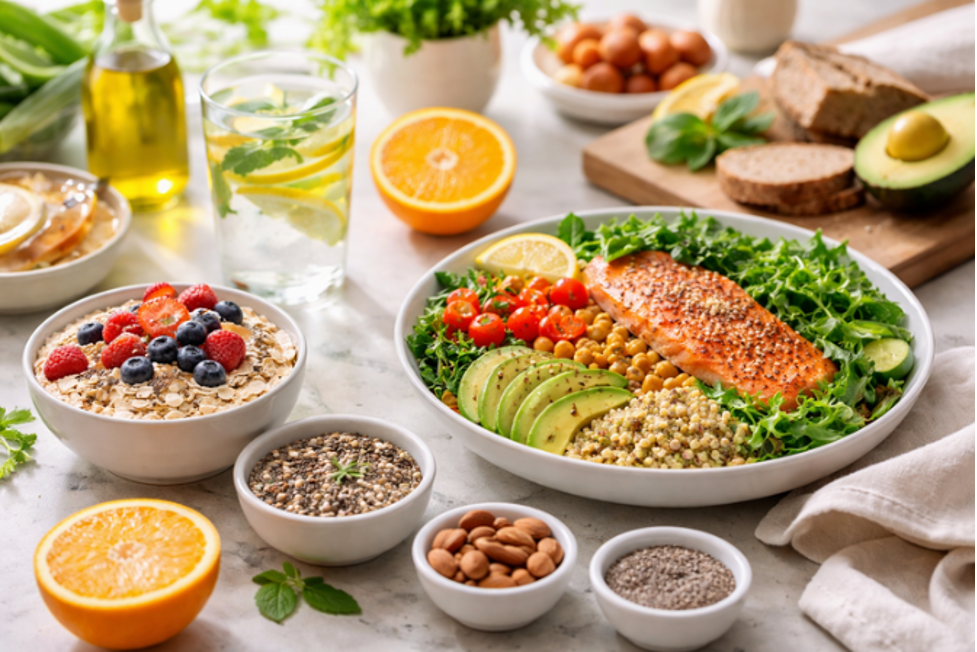
Each meal should include protein, fiber-rich carbohydrates, and healthy fats. This combination helps regulate blood sugar, control cravings, and maintain steady energy levels throughout the day.
Adequate Protein Intake
Protein is essential for preserving muscle mass, which naturally declines with age. Strong muscles support metabolism and overall strength. Include protein at every meal to support long-term health.
Fiber for Satiety and Gut Health
Fiber helps support satiety and gut health. Vegetables, fruits, whole grains, legumes, nuts, and seeds are excellent sources.
Healthy Fats for Hormone Production
Hormones rely on fat for proper production. Including omega-3-rich foods like salmon, chia seeds, and walnuts can support heart and brain health.
Nutrients for Bone Health
Calcium, vitamin D, and magnesium become especially important during midlife to maintain strong bones and reduce future risk of osteoporosis.
Managing Weight in a Sustainable Way
Weight gain during perimenopause is common due to metabolic shifts and muscle loss. However, restrictive diets often increase stress hormones and slow metabolism further. Instead of focusing only on the scale, the best diet for perimenopause emphasizes:
- Building lean muscle
- Stabilizing blood sugar
- Reducing inflammation
- Improving digestion
- Supporting overall energy
This approach leads to more sustainable and lasting results.
The Importance of Keeping Blood Sugar Steady
When your blood sugar goes up and down too quickly, you may feel more tired, hungry, moody, or even experience stronger hot flashes. Eating balanced meals every 3–4 hours and not overdoing sugary foods can help you feel more stable and energized throughout the day.
Simple changes like adding protein to your breakfast or choosing whole grains instead of white bread or sugary snacks can make a big difference in how you feel.
Lifestyle Habits That Complement Nutrition
Diet alone is not the only factor. Lasting wellness during perimenopause also includes:
- Strength training to protect muscle
- Daily movement for heart health
- Stress reduction practices
- Consistent sleep routines
- Staying well hydrated
These habits work together with nutrition to create balance in the body.
Why Personalization Matters
There is no single diet that works for every woman. Some may struggle more with digestion, while others experience fatigue or mood changes. That’s why working with a registered dietitian can be so helpful.
A personalized approach ensures your nutrition plan supports your specific symptoms, lifestyle, and goals. Instead of guessing what might work, you receive structured, science-based guidance that fits your life.
A New Chapter of Wellness
Perimenopause is not something to simply endure. It is an opportunity to reconnect with your health and build habits that support you for decades to come.
The best diet for perimenopause is one that feels realistic, nourishing, and sustainable. With balanced meals, proper nutrients, and supportive lifestyle changes, you can move through midlife feeling strong, confident, and energized.
At Spark Nutrition & Health, we are here to help you take those small, consistent steps toward lasting wellness with personalized nutrition support designed for you.