
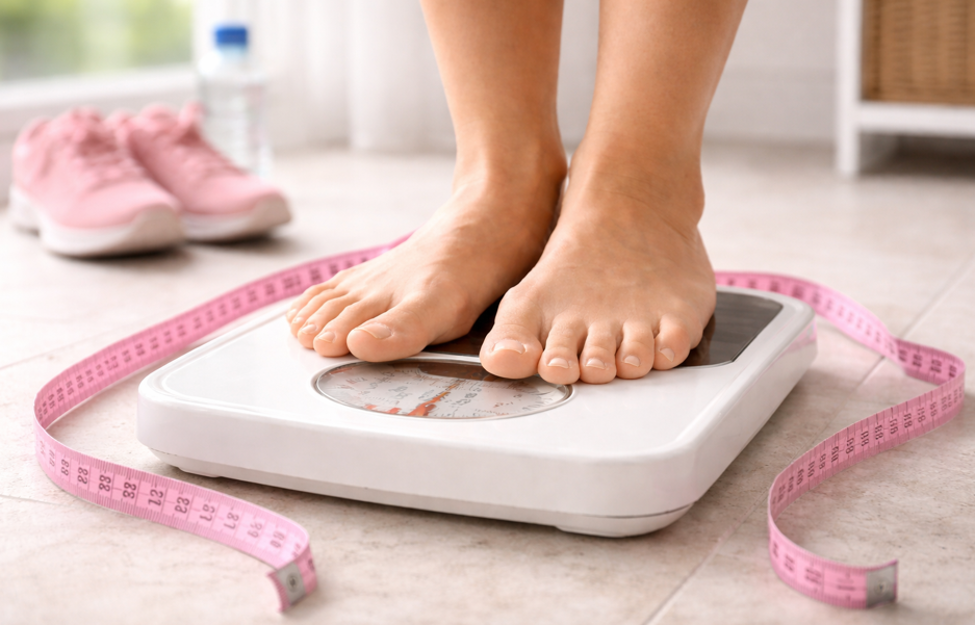
Menopause is a natural stage of life, but for many women, it comes with unexpected weight gain that feels difficult to manage. If you are wondering how to lose weight in menopause, it’s important to know that your body is not working against you, it simply needs a different approach. With the right strategies, weight loss during menopause can be both achievable and sustainable.
Why Weight Gain Happens During Menopause
Hormonal changes, especially the decline in estrogen, play a role in weight gain. These changes can slow metabolism, reduce muscle mass, and increase fat storage, particularly around the abdomen. In addition, factors like poor sleep, increased stress, and lifestyle habits can further contribute to weight gain during this stage.
Focus on Nourishing Your Body
One of the most effective ways to support weight loss is to shift your focus from restriction to nourishment. Instead of cutting calories drastically, aim to build balanced meals that include protein, fiber, and healthy fats. Protein supports muscle maintenance and keeps you full, while fiber helps regulate digestion and appetite. Healthy fats support hormone health and overall well-being.
Build Strength and Stay Active
Exercise plays a key role in managing weight during menopause, but the type of exercise matters. Strength training is especially beneficial because it helps preserve and build muscle, which in turn boosts metabolism. Alongside this, incorporating daily movement such as walking, stretching, or yoga can improve consistency and support long-term results.
Improve Sleep and Manage Stress
Sleep and stress are often overlooked but are critical factors in weight management. Hormonal changes can disrupt sleep patterns, and increased stress can elevate cortisol levels, which may lead to weight gain. Creating a consistent sleep routine and practicing stress management techniques like mindfulness, deep breathing, or gentle movement can support both your physical and mental health.
Avoid Quick Fix Diets
Many women turn to restrictive diets in an attempt to lose weight quickly, but these approaches often do more harm than good. They can slow down metabolism, increase cravings, and make it harder to maintain results. Instead, focus on small, consistent changes that fit into your lifestyle and can be maintained over time.
Personalization Is Key for Weight Loss
Every woman’s menopause journey is different. What works for one person may not work for another. That’s why a personalized nutrition plan can make a significant difference. Tailoring your approach based on your body, habits, and goals helps create a more effective and realistic path to weight loss.
Final Thoughts on Menopause Weight Loss
Learning how to lose weight in menopause is about understanding your body and making supportive, long-term changes. It’s not about perfection or extreme measures, but about building habits that help you feel stronger, healthier, and more confident.
At Spark Nutrition & Health, the focus is on guiding women through menopause with personalized, evidence-based nutrition strategies that lead to lasting and meaningful results.
FAQs
Why is it harder to lose weight during menopause?
Hormonal changes, slower metabolism, poor sleep, increased stress, and reduced muscle mass make weight loss more challenging during menopause.
What is the best diet for menopause weight loss?
A balanced diet with protein, fiber, and healthy fats works best to support metabolism and hormone health.
How important is protein during menopause?
Protein helps maintain muscle, keeps you full, and supports a healthy metabolism, making it essential for weight loss.
Can exercise help lose weight in menopause?
Yes, especially strength training and regular movement, which help boost metabolism and preserve muscle mass.
How does sleep impact menopause weight gain?
Poor sleep can disrupt hormones and increase cravings, making weight loss more difficult.
How long does it take to lose weight in menopause?
Weight loss may be slower, but consistent healthy habits can lead to steady, long-term results.
Is personalized nutrition helpful during menopause?
Yes, a tailored plan considers your body’s needs and improves the chances of sustainable weight loss.